The Buddy Programme - children’s mentoring
“I get to create stuff,” Matt* says. “And think deeper into things.” That’s what he likes about having a buddy.
Ask him to explain, and he takes his time. “Like … what I want to plan and create. And stuff like sheep farming work …”
Each week, Peter picks him up from school. That’s where it starts. “What happened today?” Peter would ask. “Not much,” Matt would say. So Peter made a rule – “not much” wasn’t allowed.
After that, Matt got creative. Different ways of saying the same thing, each one a quiet joke between them. Then one day, Matt turned it around. “He asked me what I’d been up to,” Peter says. “Then told me, ‘Don’t forget the rule, Peter.’”
After pickup, they head to the workshop. They work side by side, talking when it suits, focused when it doesn’t.
“It’s just … easy,” Matt says.
They often grab a donut and a Coke. And there are plenty of dad jokes. “Both of us,” Matt says.
For Peter, volunteering in the Buddy Programme is about showing up and sticking with it. When they first met, conversation didn’t come easily. It took time. But he stayed, and the relationship has grown from there.
At home, Matt’s mum says Matt has always been very clear about what he wants. “He’s always had a clear vision,” she says. “Even when he was little.” That hasn’t always been easy. Like many parents, she’s had to navigate what it means to support a child who is very focused and determined. “That clarity could be hard,” she says. “If something didn’t work out, or wasn’t available, it could be really challenging.”
Over time, she’s come to see that same intensity differently. “Now I can see it’s also a strength,” she says.
Through the Buddy Programme, Matt has found ways to direct that focus. “He’s learning how to try something, adjust, and keep going” she says.
Recently, he designed and built a wooden headphone stand to match his computer setup.
“I sort of knew what I wanted it to look like,” he says. “Then I figured it out as I went.” Next, Matt and Peter are planning to try resin – new for both of them. “It’ll be a bit of trial and error,” Matt says – a phrase perhaps they’ve used together many times.
Matt's mum sees what that time is building.
“He’s not the type of kid to show a lot of enthusiasm,” she says. “But when he comes home after being with Peter, he does. Peter might not see it – but I do.”
She’s seen his confidence grow, along with his willingness to keep trying. “He puts effort in,” she says. “And he succeeds.”
The Buddy Programme hasn’t been a straight line. Early matches didn’t quite fit, but coordinators stayed with it, working to find the right connection.
“It’s been really well organised,” Matt's mum says. “They kept working at it.”
When asked what Peter might have learned from him, Matt pauses. “I think …” he says quietly, “he admires me.”
From what Peter says about his young buddy – and the fact that their time together is the highlight of his week – that’s likely true.
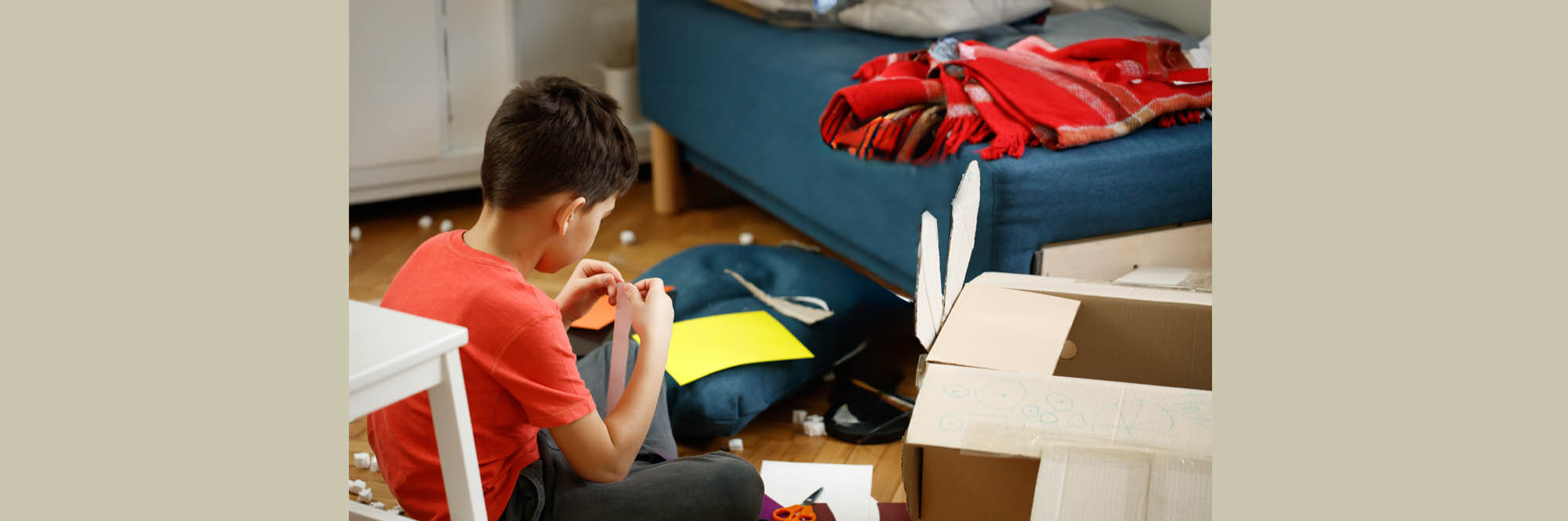
* Stock image used and name changed to protect privacy. .
Support for the Buddy Programme
The Buddy Programme recently received a letter from The Sargood Bequest after being nominated by one of their family members.
“During some challenging times for my family, including when my mum was recovering from an accident, my Buddies were a really important source of support. Whether it was going for walks, bike rides, or playing board games, having people who were there consistently and simply spent time with me made a big difference.
I wanted to acknowledge the work you do because I know there are many children and families who benefit from these relationships. The Buddy Programme provides something really valuable – a steady, positive connection that can last for years.
Thank you for everything you do and for the difference you make in young people’s lives.”
Feedback from nominating family member
Thank you to The Sargood Bequest for this generous donation. It will help the Buddy Programme continue training, matching, and supporting buddies.